
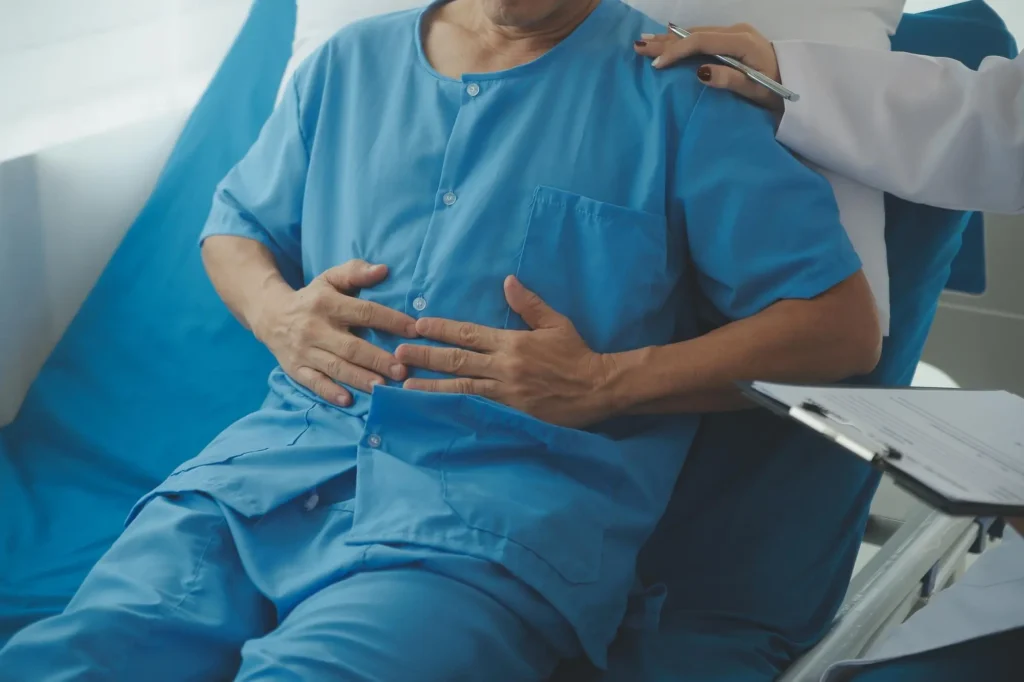
Endoscopy is one of the most trusted tools in modern gastroenterology. At GI Solutions, it plays a key role in diagnosing and managing digestive conditions early, often before symptoms become severe. If you or a loved one has been advised to undergo an endoscopy or colonoscopy, understanding the process can significantly reduce anxiety and improve preparation outcomes.
This guide explains what endoscopy is, how to prepare, what happens during the procedure, recovery expectations, risks, and answers to common patient questions searched online.
What Is Endoscopy?
Endoscopy is a minimally invasive procedure that allows a gastroenterologist to examine the digestive tract using a thin, flexible tube called an endoscope. The tube has a light and a high-definition camera that sends real-time images to a monitor.
There are two common types:
Upper endoscopy, also called EGD, examines the esophagus, stomach, and the first part of the small intestine. It is commonly recommended for symptoms such as acid reflux, difficulty swallowing, persistent nausea, unexplained anemia, or upper abdominal pain.
A colonoscopy evaluates the colon and rectum. It helps detect polyps, inflammation, bleeding sources, and colorectal cancer. It is often advised for individuals over 45 to undergo routine screening or earlier if there is a family history of colon cancer.
The major advantage of endoscopy is that it is both diagnostic and therapeutic. During the same procedure, your doctor can remove polyps, control bleeding, or take biopsies for further testing.
Why Endoscopy Is Important for Early Detection
Digestive disorders often progress silently. Conditions like GERD, ulcers, inflammatory bowel disease, and colon cancer may not show clear symptoms in the early stages. Endoscopy allows early detection, which leads to better treatment outcomes and reduced long-term complications.
Colonoscopy, in particular, is considered one of the most effective preventive screenings because it can remove precancerous polyps before they turn into cancer.
How to Prepare for an Endoscopy or Colonoscopy
Proper preparation directly impacts the accuracy of the procedure.
For an upper endoscopy, you will need to stop eating and drinking at least 6 to 8 hours before the procedure. This ensures the stomach is empty for clear visibility and reduces the risk of aspiration.
For a colonoscopy, bowel preparation is essential. You will follow a clear liquid diet one day before the procedure and take a prescribed laxative solution to completely clean the colon. Avoid red or purple liquids, as they can mimic blood during the exam.
It is important to inform your doctor about medications such as blood thinners, aspirin, diabetes medications, iron supplements, or heart medications. Adjustments may be required for safety.
Because sedation is used, you must arrange transportation home after the procedure.
What Happens During the Procedure
When you arrive, the medical team will review your history and start an IV line for sedation. Most patients receive moderate or deep sedation, meaning you will be relaxed and likely not remember the procedure.
For upper endoscopy, the scope is gently inserted through the mouth. For a colonoscopy, it is inserted through the rectum. The doctor carefully examines the lining of the digestive tract and may take biopsies or remove polyps if needed.
An upper endoscopy typically takes 15 to 30 minutes, while a colonoscopy usually takes 30 to 60 minutes.
The procedure itself is not painful, though mild pressure or bloating may occur.
Recovery After Endoscopy
After the procedure, you will rest in a recovery area for about 30 to 60 minutes until the sedation wears off.
You may experience mild bloating, gas, throat soreness, or slight cramping. These symptoms usually resolve within a day. Most patients return to normal activities the following day.
Avoid driving, alcohol consumption, and heavy physical activity for 24 hours. If biopsies were taken, your doctor will inform you about dietary or activity restrictions.
Risks and Safety Considerations
Endoscopy is generally very safe. Serious complications are rare and occur in less than one percent of cases.
Potential risks include bleeding, especially if polyps are removed, perforation of the digestive tract, reaction to sedation, or infection.
Contact your healthcare provider immediately if you experience severe abdominal pain, persistent vomiting, fever, heavy rectal bleeding, or difficulty breathing after the procedure.
Final Thoughts
Endoscopy is a safe, highly effective way to diagnose and treat digestive conditions early. Proper preparation, understanding the procedure, and knowing what to expect afterward can significantly reduce stress and improve outcomes.
If you are experiencing persistent digestive symptoms such as chronic heartburn, unexplained weight loss, rectal bleeding, or changes in bowel habits, early evaluation through endoscopy can provide clarity and peace of mind. Prioritizing preventive digestive care today can protect your long-term health tomorrow.
Frequently asked questions
Many patients search online before scheduling their procedure. Here are clear answers to the most common concerns.
Is endoscopy painful?
Most patients do not feel pain because sedation is used. You may feel mild bloating or throat irritation afterward, but discomfort is usually minimal.
How long does it take to recover from an endoscopy?
Recovery from sedation takes a few hours. Full recovery is usually within 24 hours. Most people resume normal activities the next day.
What can I eat after a colonoscopy or endoscopy?
You can usually start with clear liquids and light meals such as soup, rice, or toast. Unless your doctor advises otherwise, you can return to a regular diet within a day.
How long does an endoscopy take?
An upper endoscopy typically takes 15 to 30 minutes. A colonoscopy may take 30 to 60 minutes, depending on findings.
How often should I get a colonoscopy?
For average-risk adults, screening typically begins at age 45 and repeats every 10 years if results are normal. Individuals with a family history or previous polyps may need earlier or more frequent screening.
Is colonoscopy safe?
Yes. Colonoscopy is considered one of the safest and most effective cancer screening tools when performed by trained gastroenterologists.