
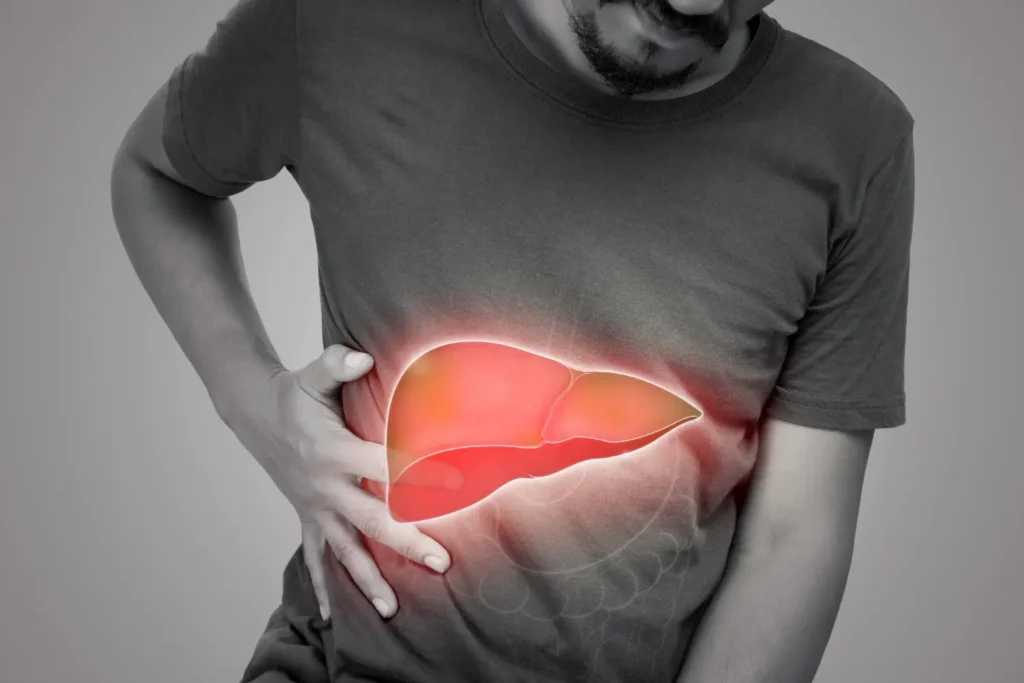
Your liver works quietly every day, and so can hepatitis. Often called a “silent” disease, it may show little to no symptoms until serious damage begins. It matters more today than ever before. With millions living with the virus without knowing it, silence has become one of its greatest risks. Early awareness, testing, and treatment can make all the difference. In this guide, we explore what hepatitis is, the different types, who should get tested, and the steps you can take today to support your liver health.
What exactly is hepatitis?
Hepatitis simply means “inflammation of the liver”. Your liver works hard every day; it filters toxins, helps digest food, and stores energy. When inflammation builds up over time, it can quietly lead to serious complications like cirrhosis or liver cancer.
The good news? Doctors can now prevent most forms of hepatitis, and many are even curable, but only if they catch it in time. Vaccines, cures, and effective treatments exist today, but they can only help those who know to seek them. So, a simple blood test could be the step that changes everything. The more openly we talk about liver health, the more lives we protect.
The different types and why they matter
It is not one single condition. There are five main viral types, and each has a different cause and path:
Hepatitis A
Spreads through contaminated food or water. Usually short-lived, but preventable with a vaccine.
Hepatitis B
Transmitted through blood or bodily fluids. Can become chronic. A vaccine is available.
Hepatitis C
Spreads through blood contact. Often silent for years. Now highly curable with antiviral treatment.
Hepatitis D
Only affects those with hepatitis B. Vaccination against B protects against D too.
Hepatitis E
Mostly from contaminated water. Typically resolves on its own, though risky for pregnant women.
Non-viral forms also exist, for example, alcoholic hepatitis and non-alcoholic fatty liver disease (NAFLD). These are becoming increasingly common as lifestyle-related liver conditions rise.
The silent nature of the disease
Hepatitis B and C can live in the body for years, even decades, with very few or no symptoms. That is why doctors call it a “silent” disease. By the time symptoms appear, significant liver damage may already have occurred. As a result, regular screening remains the only reliable way to detect early.
When symptoms do appear, they can include fatigue, nausea, abdominal discomfort, yellowing of the skin or eyes (jaundice), dark urine, loss of appetite, and joint pain.
When symptoms do appear, they can include:
Fatigue, nausea, abdominal discomfort, yellowing of skin or eyes (jaundice), dark urine, loss of appetite, joint pain, and more.
Who should get tested?
Testing is recommended for a wide range of people; you don’t need to have symptoms to ask for a screening. Consider speaking to a specialist if you: Were born between 1945 and 1965 (a generation with higher hepatitis C rates), have ever received a blood transfusion or organ transplant, have a family history of liver disease, use or have used injectable drugs, or have been exposed to another person’s blood.
At GI Solutions, we believe in making this conversation easy and stigma-free. Asking to be tested is a smart, proactive step, not a cause for worry.
What can you do today?
- Get vaccinated: Safe, effective vaccines exist for hepatitis A and B. Ask your doctor if you’re up to date.
- Book a screening: A simple blood test can detect it. Early diagnosis opens the door to effective treatment.
- Support your liver: A balanced diet, limiting alcohol, and staying active all contribute to long-term liver health.
- Spread the word: Awareness saves lives. Share what you know with family and friends who may benefit from testing.

Modern treatment gives real hope
If doctors diagnose you with hepatitis, it is important to know that treatment has come a very long way. For example, direct-acting antivirals can now cure hepatitis C in over 95% of cases with just a short course of medication. Doctors can also effectively manage hepatitis B to prevent liver damage.
For alcoholic or fatty liver disease, targeted lifestyle changes with the right support can meaningfully reverse early damage. The key is not waiting. The sooner someone identifies it, the more options become available, and the better the outcome.
Your liver health deserves attention
Whether you have concerns or just want peace of mind, our GI specialists are here to help with warmth, clarity, and no judgment.